Korean Bibimbap
Highlighted under: Local Planning
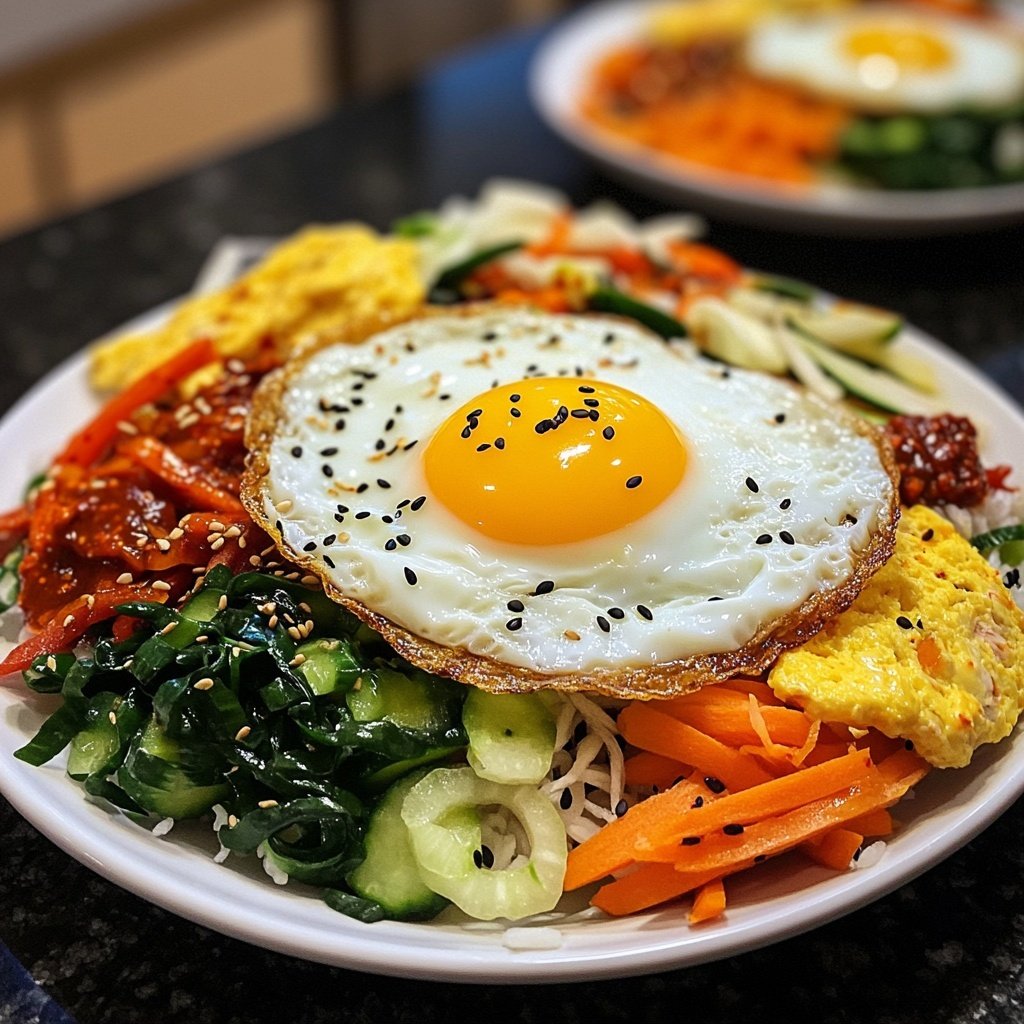
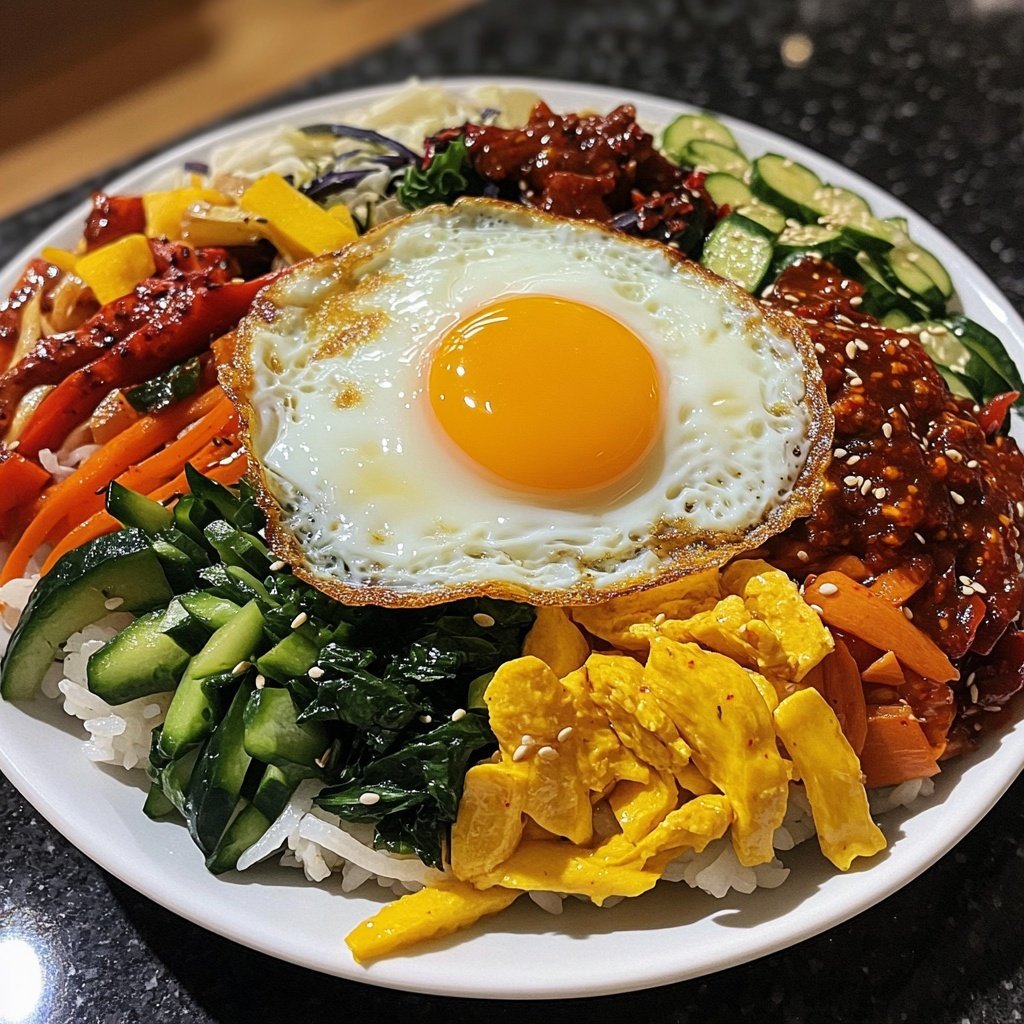
Korean Bibimbap is a vibrant and healthy dish that combines rice, vegetables, and your choice of protein, all topped with a fried egg and spicy gochujang sauce.
Korean Bibimbap is a beloved dish in Korea known for its colorful presentation and nutritious ingredients. It’s often enjoyed as a comfort food and can be easily customized to suit your taste.
Why You Will Love This Recipe
- A beautiful medley of colors and textures on your plate
- Nutritious and packed with fresh vegetables
- Versatile – easily adjustable to include your favorite proteins
- A perfect balance of savory and spicy flavors
The Origins of Bibimbap
Bibimbap, meaning 'mixed rice' in Korean, has its roots in ancient Korea, serving as a staple dish for farmers and laborers. Traditionally, it was a way to use up leftover ingredients, resulting in a delightful combination of flavors and textures. This dish symbolizes harmony and balance, showcasing how diverse ingredients can come together to create something beautiful and delicious.
The appeal of bibimbap extends beyond its taste; it is often considered a comfort food in Korea. Families gather around a bowl of bibimbap, mixing their ingredients to symbolize unity and togetherness. This dish has evolved over time, with regional variations emerging, highlighting the rich culinary heritage of Korea.
Health Benefits of Bibimbap
Korean bibimbap is not just a feast for the eyes; it's also incredibly nutritious. Packed with a variety of vegetables, this dish is rich in vitamins, minerals, and dietary fiber. The combination of spinach, carrots, zucchini, and mushrooms provides essential nutrients that support overall health and well-being, making it a fantastic choice for those looking to eat healthier without sacrificing flavor.
Moreover, bibimbap can easily cater to various dietary preferences. You can customize it with different proteins such as tofu, chicken, or beef, making it suitable for vegetarians, vegans, and meat lovers alike. This versatility allows you to enjoy a well-rounded meal that satisfies both your taste buds and nutritional needs.
Serving Suggestions
Bibimbap is best served fresh, but it can also be prepared in advance for meal prep. If you're looking to impress guests, consider serving it in traditional stone bowls, known as dolsot, which keep the ingredients warm and create a delightful crispy rice layer at the bottom. This adds an extra dimension of texture and flavor that elevates the entire dish.
Pair your bibimbap with traditional Korean side dishes, known as banchan, such as kimchi or pickled radish, for a complete meal that celebrates Korean cuisine. You can also offer additional toppings like sliced avocado or fresh herbs to give guests the option to personalize their bowl further.
Ingredients
Ingredients
For the Bibimbap
- 2 cups cooked white rice
- 1 cup spinach, blanched
- 1 cup carrots, julienned and sautéed
- 1 cup zucchini, julienned and sautéed
- 1 cup mushrooms, sliced and sautéed
- 4 eggs
- 4 tablespoons gochujang (Korean chili paste)
- 2 tablespoons sesame oil
- 1 tablespoon soy sauce
- Sesame seeds for garnish
Feel free to add or substitute any of your favorite vegetables!
Instructions
Instructions
Prepare the Vegetables
In a skillet, sauté the carrots, zucchini, and mushrooms separately until tender. Blanch the spinach in boiling water and then cool under cold water.
Cook the Eggs
In the same skillet, fry the eggs sunny-side up until the whites are set but the yolks remain runny.
Assemble the Bibimbap
In a bowl, place a serving of rice at the bottom. Arrange the sautéed vegetables and blanched spinach on top of the rice. Add the fried egg in the center.
Add the Sauce
Drizzle sesame oil and soy sauce over the top and add gochujang to taste. Sprinkle with sesame seeds.
Mix and Serve
Before eating, mix all ingredients together thoroughly and enjoy your delicious bibimbap!
Enjoy your homemade Korean Bibimbap!
Pro Tips
- For a vegetarian version, omit the egg or replace with tofu. You can also add kimchi for extra flavor.
Tips for Perfecting Your Bibimbap
To ensure your bibimbap is bursting with flavor, use high-quality gochujang and sesame oil. These ingredients are essential for achieving the authentic taste of this dish. Don't hesitate to experiment with the proportions; adjust the amount of gochujang according to your spice tolerance, allowing you to enjoy it exactly how you like it.
For an added crunch, consider including toasted seaweed or crushed peanuts as a topping. This not only enhances the flavor profile but also adds an interesting texture, making each bite even more enjoyable.
Storing Leftovers
If you have leftover bibimbap, store the components separately to maintain freshness. Keep the rice and vegetables in airtight containers in the refrigerator for up to three days. When you're ready to enjoy it again, reheat the rice and vegetables before assembling your bibimbap once more.
When reheating, a quick stir-fry can help revive the flavors and textures. Just a splash of sesame oil can bring everything back to life, ensuring your leftover bibimbap tastes just as delicious as when it was first made.
Questions About Recipes
→ Can I use brown rice instead of white rice?
Yes, brown rice can be used for a healthier option, though it may require a longer cooking time.
→ Is Bibimbap typically served hot or cold?
Bibimbap is usually served hot, and the ingredients are mixed just before eating.
→ What proteins can I add to Bibimbap?
Common proteins include beef, chicken, or tofu. You can grill or sauté them before adding to the dish.
→ Can I prepare Bibimbap in advance?
You can prepare the vegetables and rice in advance, but it's best to cook the eggs fresh before serving.
Korean Bibimbap
Created by: Briar Kensington
Recipe Type: Local Planning
Skill Level: Intermediate
Final Quantity: 4 servings
What You'll Need
For the Bibimbap
- 2 cups cooked white rice
- 1 cup spinach, blanched
- 1 cup carrots, julienned and sautéed
- 1 cup zucchini, julienned and sautéed
- 1 cup mushrooms, sliced and sautéed
- 4 eggs
- 4 tablespoons gochujang (Korean chili paste)
- 2 tablespoons sesame oil
- 1 tablespoon soy sauce
- Sesame seeds for garnish
How-To Steps
In a skillet, sauté the carrots, zucchini, and mushrooms separately until tender. Blanch the spinach in boiling water and then cool under cold water.
In the same skillet, fry the eggs sunny-side up until the whites are set but the yolks remain runny.
In a bowl, place a serving of rice at the bottom. Arrange the sautéed vegetables and blanched spinach on top of the rice. Add the fried egg in the center.
Drizzle sesame oil and soy sauce over the top and add gochujang to taste. Sprinkle with sesame seeds.
Before eating, mix all ingredients together thoroughly and enjoy your delicious bibimbap!
Extra Tips
- For a vegetarian version, omit the egg or replace with tofu. You can also add kimchi for extra flavor.
Nutritional Breakdown (Per Serving)
- Calories: 550 kcal
- Total Fat: 22g
- Saturated Fat: 5g
- Cholesterol: 210mg
- Sodium: 600mg
- Total Carbohydrates: 82g
- Dietary Fiber: 5g
- Sugars: 5g
- Protein: 16g